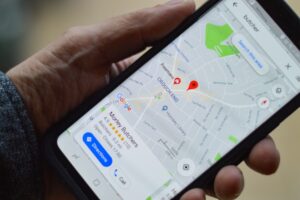
Most local businesses eventually hit the same wall: customers a few kilometers away in a neighboring locality can’t find them on Google, even though they’d happily serve that area. Opening a new branch just to rank there isn’t realistic for most small businesses. The good news is that you don’t need a second address to show up across multiple localities, you need the right service area SEO strategy.
Why Locality Matters So Much in Local Search
Google’s local ranking system weighs proximity heavily, a searcher in one locality will often see completely different results than someone searching the same term two localities over. This is exactly why a shop or service business that dominates its own area can be almost invisible just a short drive away, even with an otherwise excellent Google Business Profile.
Option 1: Set Your Service Areas Correctly
If you deliver, visit customers, or offer services beyond your storefront, your Google Business Profile has a dedicated service area setting. Listing the specific localities, neighborhoods, or pin codes you actually serve tells Google exactly where to show your business, even for searchers who aren’t physically near your registered address.
A common mistake is leaving this blank or setting an overly broad radius that doesn’t reflect where you genuinely operate, which dilutes relevance rather than strengthening it. List real, specific areas, not just a wide circle on a map.
Option 2: Build Locality-Specific Website Content
A single generic “About Us” page won’t rank across several distinct localities. Dedicated pages, or at minimum clear sections, that mention each specific area you serve by name give Google real content to match against those searches. For example, a home cleaning business might have separate, genuinely useful pages for each major locality it covers, each with locality-specific details rather than the same paragraph with the city name swapped out.
Thin, duplicate pages that only change the locality name tend to hurt more than help. Each page needs to offer something genuinely specific, local landmarks, typical customer questions from that area, or service notes relevant to that locality.

Option 3: Earn Local Citations in Each Locality
Citations, mentions of your business name, address, and phone number on other websites, carry more local weight when they come from sources tied to the specific locality you’re targeting. A mention in a neighborhood directory, a local news feature, or a nearby community group listing can meaningfully reinforce your relevance to that specific area in a way a generic national directory listing can’t.
Option 4: Collect Reviews From Each Area You Serve
Reviews that naturally mention a locality, “came all the way from [area] and it was worth it”, quietly reinforce relevance for that location. You can’t script this, but you can prompt it: when following up with customers from a specific locality, a simple, genuine request for a review makes this kind of organic mention more likely.
When a Second Location Actually Makes Sense
Service area optimization has limits. If a locality consistently generates enough demand to justify it, a genuine second location, even a small one, will outperform service-area tactics alone, since Google still favors an actual verified address close to the searcher. Use service area SEO to test and prove demand in a locality before committing to that investment, not as a permanent substitute for physical presence once the numbers justify it.
This entire strategy works best as part of a complete local SEO approach. If your core Google Business Profile isn’t fully optimized yet, start there first, our guide on why Google Business Profiles don’t rank on Maps covers the fundamentals this builds on top of.
Frequently Asked Questions
Can I rank in a locality without a physical address there?
Yes, through Google’s service area business setting, dedicated local content, and locality-specific citations, though a real physical presence will generally still outperform service-area tactics alone for high-demand areas.
How many localities should I target at once?
Start with the areas you can realistically and reliably serve well, adding more only once you have genuine content, reviews, and citations to support each one, rather than spreading thin across too many at once.
Will duplicate locality pages get penalized?
Pages that only swap out a locality name with otherwise identical content offer little value to Google and can be filtered out of results, so each page needs genuinely distinct, locally relevant information.