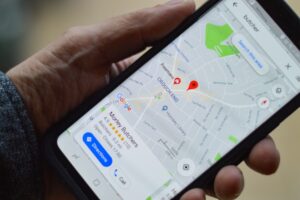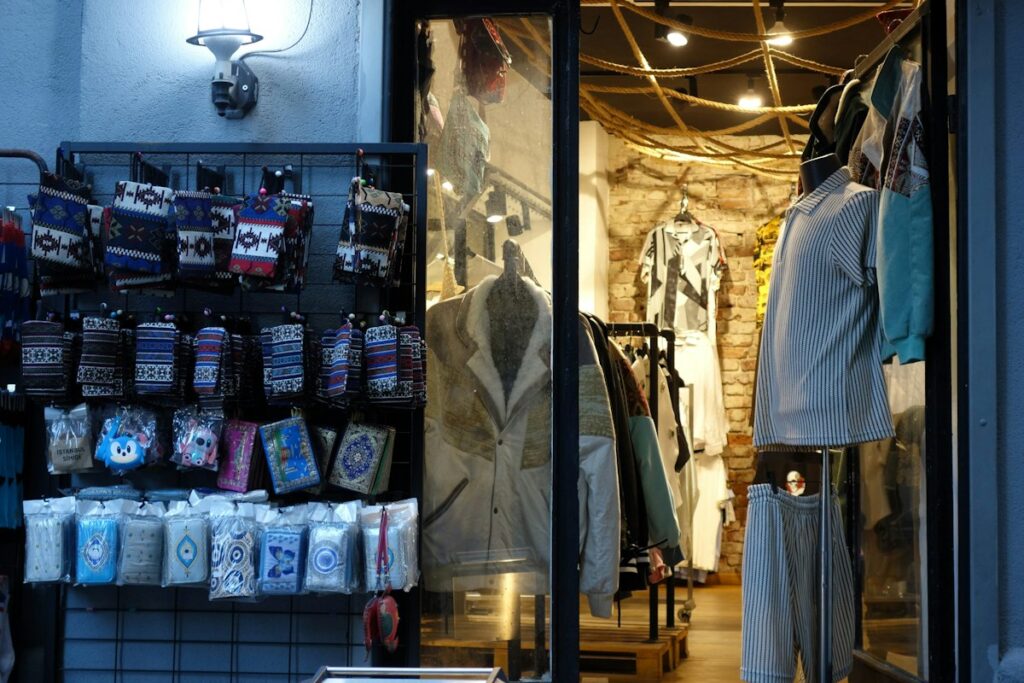
Running a clothing shop today means competing not just with the store down the street, but with every online retailer a customer can reach in three taps. The good news: most people still search for clothing stores near them before buying, whether they’re looking for a wedding outfit, school uniforms, or a last-minute festive kurta. Winning that search is entirely within reach for a local shop, and it doesn’t require a massive budget.
This guide walks through exactly how to grow your clothing shop’s local search visibility, combining local SEO and Google Business Profile (GMB) optimization into one practical plan.
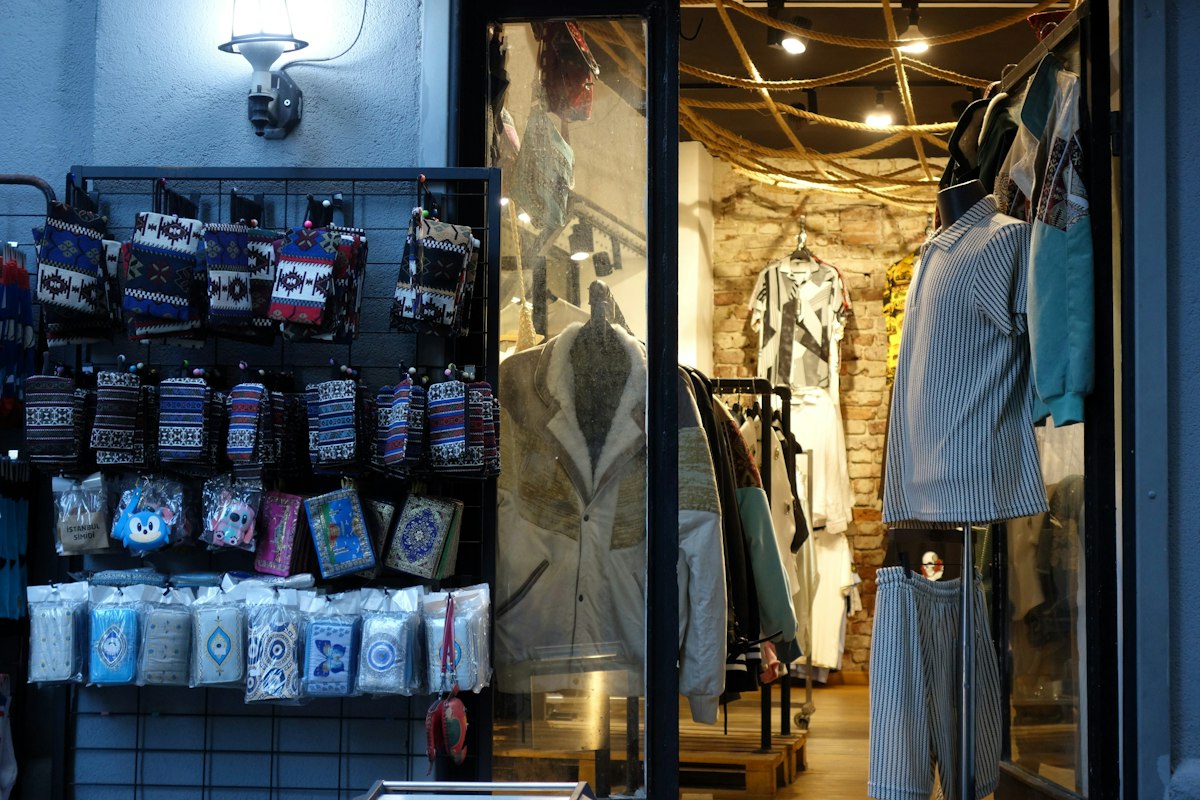
Why Local Search Matters So Much for Clothing Retail
Clothing is a highly visual, try-before-you-buy category, which is exactly why searches like “clothing store near me,” “kids wear shop [city],” or “formal wear [area]” convert so well. Someone searching these terms usually wants to visit today or this week, not browse casually. If your shop doesn’t show up in that moment, a competitor’s does.
Step 1: Fully Optimize Your Google Business Profile
Your Google Business Profile is the single highest-leverage local SEO tool available to a clothing shop, since it’s what appears in Google Maps and the local pack. Here’s what to get right:
- Correct, specific category — use “Clothing Store,” then add relevant secondary categories like “Women’s Clothing Store” or “Children’s Clothing Store” if applicable, rather than a vague general category.
- Complete business description — mention what you sell, your specialty (ethnic wear, formal wear, kidswear), and your area, naturally, without keyword stuffing.
- Accurate hours — including holiday hours, since incorrect hours are one of the fastest ways to lose a walk-in customer.
- Products feature — add your actual product categories with photos and prices where possible; Google increasingly surfaces these directly in search results.
- Fresh photos — real photos of your storefront, interior, and merchandise, updated regularly, perform far better than stock-style images.
If you haven’t touched your profile in months, this alone can meaningfully move your visibility within weeks. We cover the deeper mechanics of this in our guide on why Google Business Profiles don’t rank on Maps.
Step 2: Post Regularly, Not Just Once
Google Business Profile lets you publish short updates, similar to social posts, directly on your listing. For a clothing shop, this is a genuinely underused advantage: announce new arrivals, seasonal collections, festive offers, or a flash sale. Profiles that post consistently signal activity to Google, which factors into local ranking.
Step 3: Build a Review Engine, Not Just a Review Request
Reviews influence both rankings and whether a customer actually chooses to walk in. For clothing shops specifically, reviews that mention fit, staff helpfulness, and variety carry a lot of weight, since these are exactly what a shopper is uncertain about before visiting.
Make review requests part of the checkout process, not an afterthought. A simple printed card with a QR code linking straight to your review page, handed over with every purchase, consistently outperforms a one-off social media post asking for reviews.
Step 4: Get the On-Site SEO Basics Right
Your website (even a simple one) still matters. A few fundamentals make a real difference for a clothing retailer:
- Include your city or neighborhood name naturally in page titles and headings, such as “Ethnic Wear Store in [Area]”
- Create separate pages for major categories (men’s, women’s, kids, formal, ethnic) instead of one crowded homepage
- Add your full address, phone number, and embedded Google Map on your Contact page
- Make sure your site loads quickly and works well on mobile, since most local searches happen on a phone
This is precisely the foundation our SEO services build for local retail clients, technical fundamentals paired with content that actually targets how people search.
Common Mistakes Clothing Shops Make With Local SEO
Before adding more tactics, it’s worth ruling out a few mistakes that quietly undo everything else:
- Listing the wrong or outdated address after a shop relocation or renovation, which confuses both customers and Google
- Using a personal phone number that changes staff or gets disconnected, instead of a dedicated business line
- Ignoring negative reviews instead of responding professionally, which signals inactivity and hurts trust with future customers reading them
- Ordering fewer, larger update photo albums instead of small, frequent uploads that keep the profile looking active
- Treating the website as a one-time project rather than something updated with new arrivals and seasonal content
Fixing even one or two of these is often enough to notice a visible difference within a month.
Turning Local Search Into Repeat Customers
Getting discovered is only half the job, the other half is turning a first-time visitor into a repeat customer. A few connected tactics help here:
- Collect contact details at checkout (with consent) so you can announce new collections directly, rather than relying purely on someone searching again
- Cross-promote your social profiles on your Google Business Profile and in-store signage, so local search traffic also becomes social media followers
- Run small, hyper-local promotions tied to nearby events, colleges, or offices, since these create natural reasons for people to search and visit
- Keep your “new arrivals” visible everywhere, your website, your Business Profile posts, and your social feed, so returning customers always have a reason to check back
This is exactly where local SEO, Google Business Profile activity, and social media reinforce each other rather than working in isolation. If social is part of your growth plan too, our SMO Services are built to work alongside this same local search strategy.
Step 5: Get Listed Consistently Across Local Directories
Beyond Google, list your shop on directories like Justdial, Sulekha, and IndiaMART if relevant to your product category. The key is consistency: your business name, address, and phone number (NAP) should match exactly everywhere they appear. Mismatched information across listings quietly undermines the trust signals Google uses to rank local businesses.
Step 6: Create Content That Matches How People Actually Shop
A simple blog or update section covering seasonal style guides, “what to wear for [local festival/occasion],” or size-fitting tips does double duty: it helps SEO by targeting searches beyond just “clothing store near me,” and it builds trust with shoppers who land on your site before ever walking in.
Putting It All Together
None of these steps require a large team or budget, but they do require consistency. A fully optimized Google Business Profile combined with a clean, locally-relevant website and a steady stream of genuine reviews will outperform a competitor who’s only done one of these things, even if that competitor has a bigger store.
Start with your Google Business Profile this week, it’s free, and it’s usually the fastest lever to pull.
Frequently Asked Questions
How long does it take for a clothing shop to rank locally?
Most shops see initial movement in Google Business Profile visibility within 4–8 weeks of consistent optimization, with stronger website-based rankings building over 2–4 months.
Do I need a website if I already have a Google Business Profile?
Yes. A website extends your reach to searches your Business Profile alone can’t capture, and it builds the kind of trust and detail that converts a browser into a walk-in customer.
What’s the single highest-impact thing I can do this week?
Fully complete your Google Business Profile, correct category, real photos, accurate hours, and start asking every customer for a review at checkout.
Does responding to reviews actually make a difference?
Yes. Responding to both positive and negative reviews signals an active, attentive business to Google and to future customers reading through your reviews before visiting.