Google AI Overviews now appear at the top of a huge share of search results, generating a complete, conversational answer before anyone even scrolls down to the traditional blue links. For business owners, this raises an uncomfortable question: if Google is answering the query directly on the results page, does anyone still click through to a website?
The short answer is yes — but only for businesses that adapt. This is the new reality of Zero Click Search, and understanding how to work with it, rather than against it, is quickly becoming as important to protecting your Organic Traffic as traditional rankings ever were.

What Are Google AI Overviews?
Google AI Overviews are AI-generated summaries that appear above traditional search results, pulling information from multiple sources into a single, synthesized answer. Instead of scanning ten blue links, users get an immediate response — often with a handful of citation links to the sources Google’s AI judged most trustworthy.
This is the same underlying shift we covered in our guide on how to rank in ChatGPT, Gemini, and AI search results — except Google AI Overviews live directly inside the search engine most businesses already depend on, which makes the stakes even higher.
Why Zero Click Search Is Becoming the Norm
Zero Click Search describes any search that gets fully resolved on the results page itself, with no click required to an outside website. Weather, definitions, conversions, and now increasingly complex informational questions are answered directly by Google AI Overviews before a user ever sees a website listed below them.
Industry-wide, a majority of searches today are believed to end without a single outbound click. That number climbs even higher for broad, top-of-funnel questions — exactly the kind of queries AI Overviews are best at summarizing.
Does This Mean Organic Traffic Is Dead?
Not quite. Organic Traffic hasn’t disappeared — it’s being redistributed. Broad, generic, informational searches are the most likely to be fully answered by an AI Overview with zero clicks. But higher-intent traffic, the kind that actually converts into leads and customers, still clicks through more often, especially for local, transactional, and comparison-driven searches.
In other words: you may see fewer clicks on generic queries, but the clicks you do get are increasingly from people closer to a buying decision. As we discussed in GEO vs SEO: What’s the Difference in 2026, the goal is no longer just ranking — it’s making sure your business is the one Google’s AI trusts enough to mention or cite in the first place.
AI Overviews SEO: How to Adapt Your Strategy
AI Overviews SEO isn’t a wholesale replacement for traditional SEO — it’s an added layer on top of it. Here are five practical starting points.
1. Structure Content So It Can Be Lifted Directly
Answer the core question in the first sentence or two under every heading. Google’s AI extracts short, self-contained answers — vague or heavily promotional copy is far less likely to be pulled into an overview.
2. Strengthen Your E-E-A-T Signals
Google is more likely to cite sources it trusts. A clear, credible About Us page with real credentials, consistent business information, and transparent authorship all feed into that trust signal.
3. Win the Local, High-Intent Slice of Search
Local and “near me” searches are far less likely to be fully resolved by an AI Overview alone — people still need directions, hours, and reviews. A complete Google Business Profile remains one of the most reliable ways to capture this high-intent traffic.
4. Diversify Beyond Google Alone
Email lists, social channels, and direct traffic all become more valuable as a hedge against fluctuations in click-through rates driven by AI Overviews. Relying on any single traffic source is riskier today than it was even a year ago.
5. Measure Visibility, Not Just Clicks
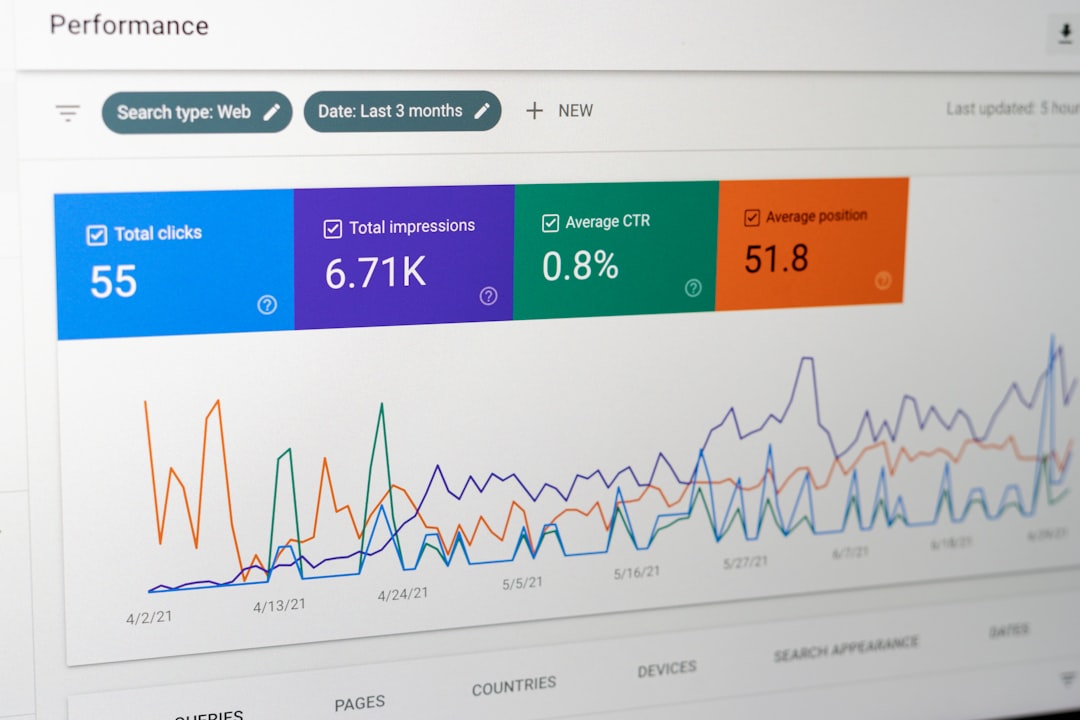
Impressions in Google Search Console can rise even as clicks fall — that’s often a sign you’re being shown inside an AI Overview without registering a click. Track that separately from your Organic Traffic numbers so you don’t mistake visibility loss for a ranking problem that doesn’t actually exist.
The Hidden Opportunity Inside AI Overviews
It’s not all downside. Being cited as a source inside a Google AI Overviews result is quickly becoming the new “position zero” — a highly visible trust signal even among users who never click through. That visibility builds brand recall, which frequently shows up later as a direct or branded search, even if it isn’t captured as immediate Organic Traffic in the moment.
This is exactly the mindset shift we walk through in our broader look at digital marketing trends shaping 2026 — visibility and trust now matter as much as the click itself.
What This Means for Your Business
Google AI Overviews aren’t going away, and treating them as a threat to ignore is a losing strategy. The businesses that come out ahead will be the ones who structure their content to be citation-worthy, keep their local presence airtight, and stop measuring success by clicks alone.
Not sure where your site currently stands with AI Overviews SEO? Get in touch for a free audit, or explore our SEO services to see where the biggest opportunity is for your business right now.